
How to Plan Your Systems Around How You Actually Work
A practical way to build workflows that support your real life, not an ideal version of you
Do you know why most systems fail? They fail because they’re built for an ideal version of a person, not a real one.
We build systems assuming we’ll have consistent energy, strong focus, and the ability to follow routines perfectly every day. We plan as if our mood won’t shift, our body won’t slow down, and life won’t interrupt our work. When those assumptions don’t match reality, the system breaks. And instead of questioning the system, we question ourselves.
We tell ourselves we’re inconsistent, unmotivated, or bad at routines. But most of the time, the issue isn’t discipline. It’s that the system was never designed for the way we actually live and work.
This article is about building systems that work with you, not against you.
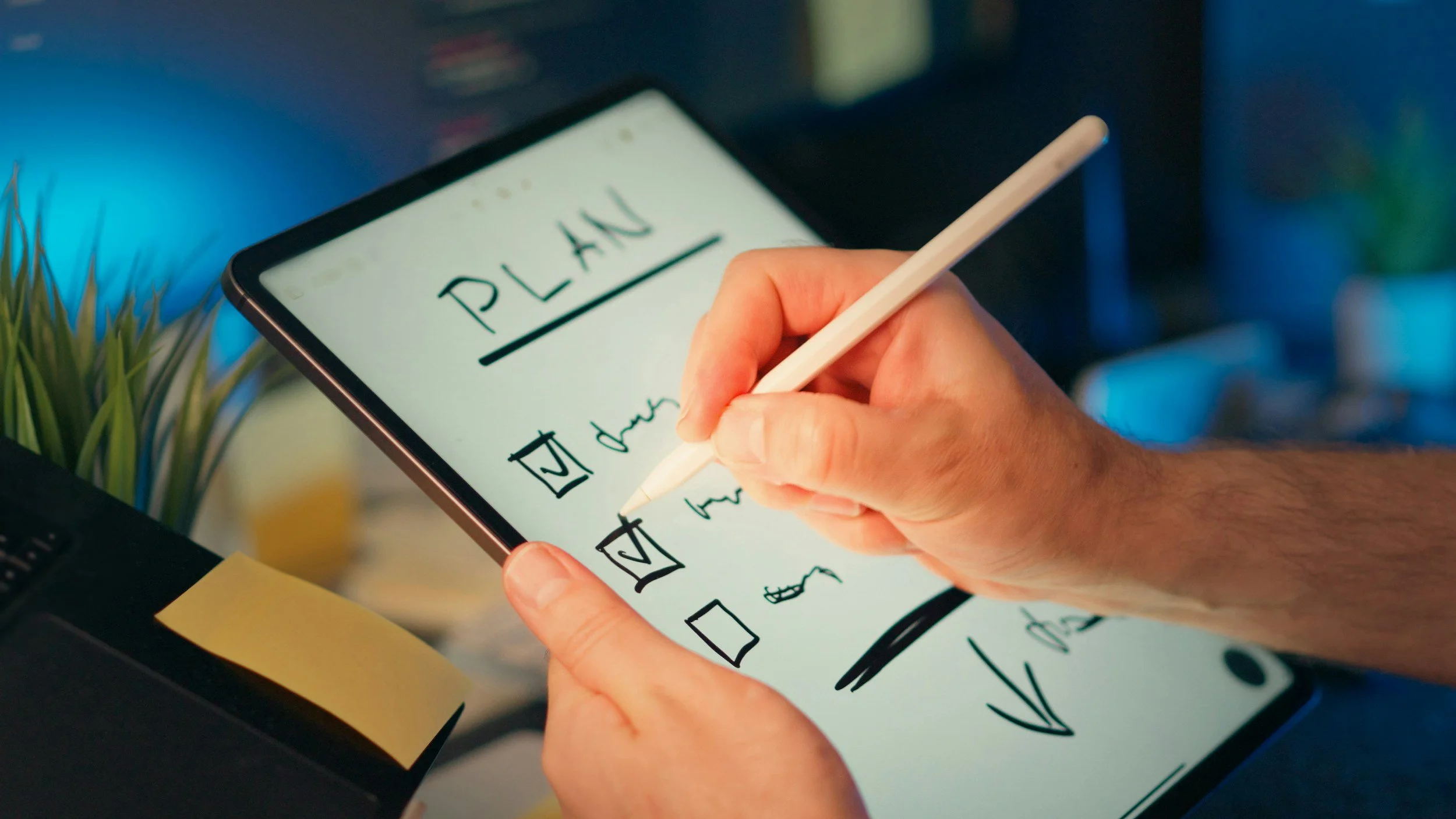
Systems Are Meant to Support You, Not Change You
A system is not meant to fix your personality, your habits, or your energy levels. Its purpose is to support them. When systems feel rigid or impossible to maintain, it’s often because they were borrowed from someone with a completely different way of working.
Before adopting another planner, workflow, or productivity method, it’s important to understand how you naturally function. Systems work best when they adapt to you, not when you’re forced to adapt to them. If a system only works when you’re having a good week, it isn’t sustainable.
Start by Observing How You Actually Work
Instead of asking what system you should use, start by observing yourself. Pay attention to when you feel most focused, how long you can realistically concentrate, and which tasks drain you the fastest. Notice what feels lighter depending on the time of day and what consistently feels heavy no matter when you do it.
These patterns aren’t flaws. They’re information. Most people skip this step and jump straight into planning, which is why they keep rebuilding systems that never stick.
Organize Work Around Energy, Not Just Time
Time blocking only works when it aligns with your energy. Some people think best early in the morning, others need time to warm up. Some can focus in short bursts, while others need longer uninterrupted periods.
Instead of organizing your work only by the clock, it helps to organize it around energy levels. High energy moments are better for creative or strategic work. Medium energy moments work well for execution and administrative tasks. Low energy moments are better for planning, reviewing, or rest. When your system respects how your energy fluctuates, work becomes easier to sustain.
Reduce the Number of Decisions You Have to Make
Many people feel overwhelmed not because they have too much work, but because they have to decide too much. Each time you sit down to work, you’re deciding what to focus on, how to do it, whether it matters, and when it should be done.
This is where structure becomes supportive. Simple tools like checklists and trackers remove the need to rethink the same decisions repeatedly. For example, using an Instagram Visibility Checklist can eliminate last-minute doubt by outlining what needs to be checked before posting. Instead of relying on mental energy, you rely on a process that already exists.
Decision fatigue isn’t a personal failure. It’s a sign that your system needs reinforcement.

Track Progress Without Pressure
Another common issue is relying on memory or feelings to measure progress. When you can’t clearly see what you’ve done, it’s easy to assume you’re not doing enough.
Using a Content Creation Accountability Tracker allows you to notice patterns over time. Weekly and monthly tracking shows what’s actually happening, not what you think should be happening. This makes it easier to adjust your workload realistically instead of pushing harder out of guilt. Trackers are not meant to control you. They are meant to ground you.
Plan Systems Around Who You Are, Not Who You Think You Should Be
This is where things become personal, and where most systems either start working or fall apart.
When I organize my own systems, I don’t start with tools. I start with how my body and brain function. I take into account my physical energy, how long I can focus before needing a break, and how my body responds to long work sessions. I also consider my eating habits, because when and what I eat directly affects how well I can concentrate and retain information.
I plan around how my brain processes information. I’m highly visual, so I rely on visual organization and spatial cues, but I also have a strong preference for reading when I need depth or understanding. That means my systems include both visual tracking and written reference points depending on the task.
I also account for how my attention fluctuates. Some topics hold my focus deeply, while others require shorter, contained work sessions. Instead of fighting that, I design workflows that match it. Tasks that require sustained focus are grouped differently than tasks that can be done in short bursts.
I don’t rely on memory. I externalize information into checklists, trackers, and written systems so my brain doesn’t have to hold everything at once. This reduces mental load and makes it easier to return to work without friction.
Most importantly, I accept that my systems don’t need to work for anyone else. They only need to work for me. Once I stopped trying to follow methods that weren’t built for my way of thinking, my work became easier to maintain. This is the same approach I use when helping entrepreneurs organize their workflows. I don’t force productivity. I design around reality.
Systems Should Work on Low Energy Days Too
A system that only works when you feel motivated isn’t reliable. Supportive systems are designed to function even on low energy days. They allow flexibility without guilt and make it easier to restart instead of making you feel behind.
If your current setup makes you feel like you’re constantly failing, it doesn’t mean you need more discipline. It usually means the system needs to be adjusted.
Consider Support as Your Business Grows
At a certain point, the challenge isn’t the system itself but the number of roles you’re holding. Planning, creating, executing, tracking, and adjusting all require mental energy. Doing all of this alone can become unsustainable.
This is where working with a creative assistant can help. Support with organization, workflows, and content-related tasks can free up mental space and help your systems function more smoothly. Support doesn’t replace your vision. It expands it. If you’re considering this type of help, exploring creative assistant services can be a good starting point.
The Goal Is Sustainability
Planning systems around how you actually work isn’t about doing more. It’s about creating a way of working that fits into your life and can be repeated without resentment.
You’re not meant to operate at full capacity all the time. Your systems should leave room for rest, adjustment, and real life. That’s how consistency is built over time. Slowly, honestly, and with support.
If you want to try what I use in my own work, you can explore the tools in my shop. They’re designed to reduce decision fatigue and support consistency in a way that fits real life.
